


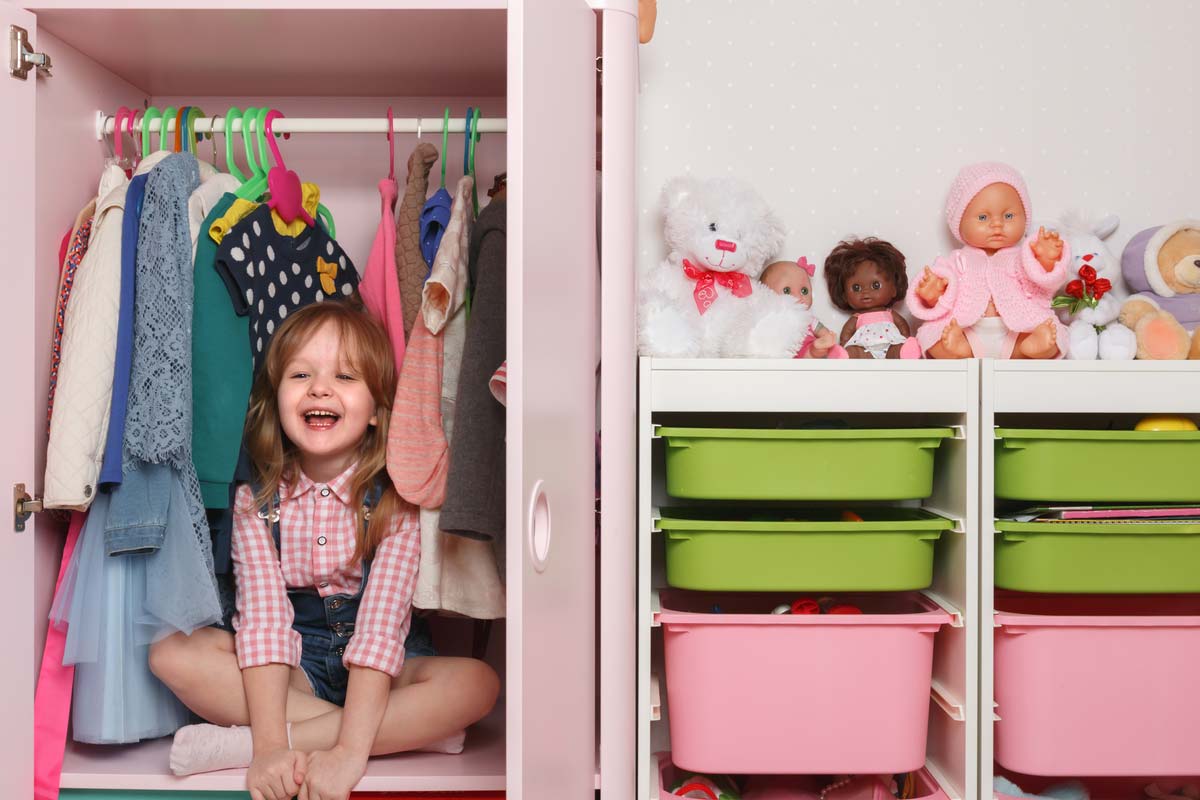
Achieving an organized and tidy home might sound like a lofty goal for families, especially those with young children. Yet, turning this dream into reality is not as challenging as it seems. Teaching children as young as 2 how to keep their rooms organized comes with a host of benefits that extend beyond just a neat space. Let’s explore the perks and 10 tips for keeping your child’s room organized!
Benefits of an organized bedroom
A tidy room is more than just visually pleasing; it sets the stage for a healthy learning environment. Children who grasp the art of keeping their rooms organized tend to perform better in school. Organizing daily essentials like school supplies becomes a breeze, allowing them to find what they need without any hassle.
The organizational skills learned at an early age also contribute to mental orderliness. Children effortlessly locate their belongings, ensuring homework is not forgotten or left behind. Beyond this, instilling a sense of responsibility through room organization empowers children, boosting self-esteem and a desire to learn and grow.
10 tips for keeping your child’s room organized
1. Lead by example
Be the tidy role model your child needs. A tidy house encourages a tidy room, inspiring your little one to follow suit.
2. Take stock of belongings
Before diving into organization, make a list of your child’s toys, clothes, and other items. Understanding what needs organizing helps in selecting the right storage solutions.
3. Embrace minimalism
Children outgrow clothes and toys rapidly. Regularly declutter by donating unused items. Keeping only the necessary ensures a clutter-free environment.
4. Age-appropriate storage
Choose storage solutions that match your child’s age and style. For younger children, floor-level containers like wooden chests or open shelves work wonders.
5. Group similar items
Sort items into groups to facilitate storage and easy retrieval. Consider practical storage systems for seasonal clothing, ensuring accessibility and organization.
6. Container selection
Tailor containers to the type of toy. Big plush toys can go in open boxes, while smaller toys with parts are best kept in drawers or labeled plastic containers.
7. Utilize vertical space
Reserve the top part of the bedroom for items with less frequent use. Use shelves or vertical storage units for reading books or delicate items.
8. Built-in storage furniture
If space is a concern, consider built-in storage solutions like beds with hidden drawers. These provide extra storage without compromising the room’s aesthetics.
9. Involve your child
Seek your child’s opinion when decorating. Personalizing the space with their favorite colors, characters, or items encourages a sense of ownership and responsibility.
10. Create separate areas
If space allows, designate specific areas within the room for sleeping, clothing, playing, and studying. This division helps maintain order and functionality.
A child’s bedroom is more than just a space; it’s a crucial part of their childhood. By instilling the habit of organization, you create an environment that feels unique, cozy, and safe. These simple yet effective tips not only keep clutter at bay but also pave the way for your little one to thrive in a well-organized haven of their own. Happy organizing!
More about Lingokids
Find more games, songs, and activities in the Lingokids app! The Lingokids universe provides original, award-winning, interactive content for kids, transforming how kids can learn. Lingokids creates games, songs, podcasts, videos, and activities that blend educational subjects with modern life skills to spark curiosity, imagination, and success in school—and beyond!
So, are you interested in learning more about how Lingokids helps families raise amazing kids? Download the app and check out more content on our YouTube channels.