


If your child is learning a new language, they need to make the most of the experience. After all, a new language can open up more school and job choices in the future. They will also be able to communicate with people from other cultures on a more personal level.
One of the best ways to support your child’s efforts to learn a new language is with an environment conducive to learning. In a recent Statista report, only 38% believed that the at-school learning systems were acceptable, while 28% found them lacking. So, children also need your help to learn new languages at home.
In this blog post, we will discuss effective ways for parents to support language learning at home. Read on for practical tips on keeping your child engaged in learning a new language and how your family can get on board.
How to Create a Language-Rich Environment
Your home and the daily activities of your children while at home can keep them focused on learning a new language. Here are some ways you can create a language-rich environment:
Encourage Daily Reading
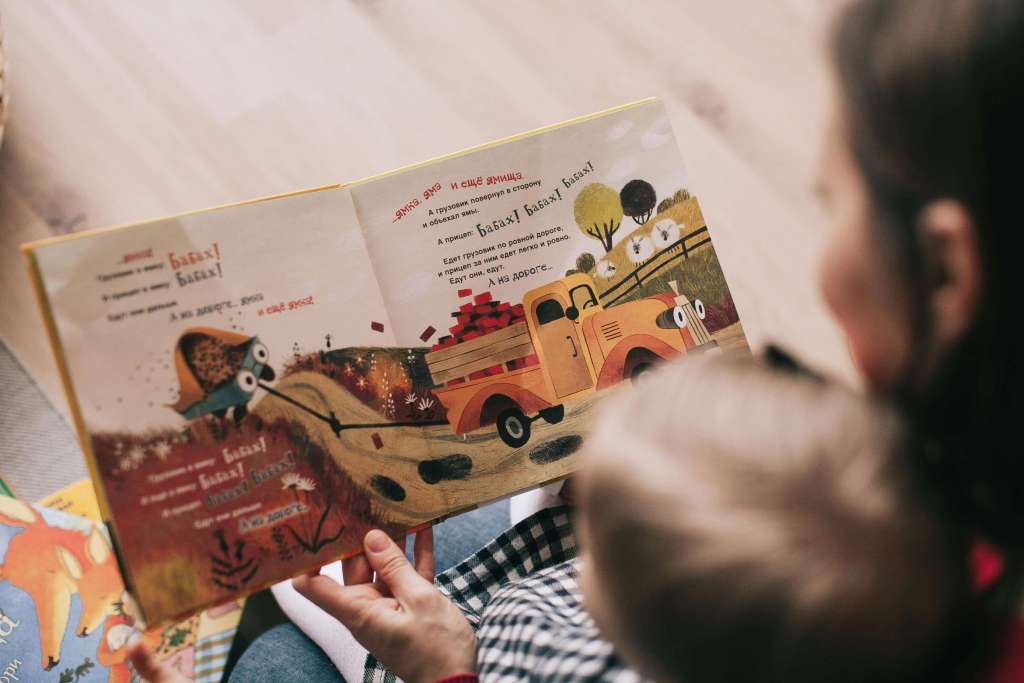
Reading together is one of the most effective ways to support language learning. It builds vocabulary, enhances comprehension, and fosters a love for languages.
You can select age-appropriate books that engage your child’s interests. For example, if your child is learning Spanish and likes fairy tales, you can check your local library for books that meet these criteria. You can also ask your child’s teacher for some references.
Incorporating reading into your daily routine, such as bedtime stories or reading after meals, creates a consistent habit. This shared experience also strengthens the bond between you and your child. If your child is still learning how to read, you can look for some tips online to keep them motivated.
Surround Your Child with Language
Consider labeling household items and use visual aids like posters and charts to grow your child’s language exposure. Doing so can reinforce new vocabulary and make learning a part of everyday life.
Another way to surround your child with the new language is by engaging in conversations that incorporate new words and phrases. This approach can turn routine activities into learning opportunities. For instance, you can translate the ingredients you are using while you prepare their school lunch with them or discuss the day’s events using new vocabulary. Even just mentioning the date in the language your child is learning can familiarize them with numbers, days of the week, and months.
Use Technology and Multimedia
You should use technology and multimedia to make language learning interactive and fun. Consider the following:
- Educational apps and websites: Look for learning apps for kids or websites that offer games and activities that engage children in learning. There are many gamified options online, but choose websites and platforms that are safe for your child. When choosing educational resources for your child, it’s important to consider their interests and learning styles. This will help you find resources that are engaging and motivating. Look for resources that are aligned with your child’s school curriculum. In addition to learning apps for kids, many other online resources can be helpful for children’s education. These include educational websites, videos, and podcasts. By exploring different options, you can find the resources that best meet your child’s needs and help them develop a love of learning.
- Interactive e-books with audio features: These can help improve pronunciation and listening skills. It enables your child to attach certain sounds and words with particular imagery.
- Educational TV shows, audiobooks, and podcasts: As you watch shows or listen to stories in your child’s target language, you can improve your child’s listening skills and provide context for new words. With frequent exposure to native pronunciations, they can also learn to mimic native speakers.
When deciding the type of technology or multimedia to use, pick age-appropriate platforms that align with your child’s interests to keep them motivated when deciding the type of technology or multimedia to use. Moreover, look for content that is both educational and entertaining to keep your child interested. For instance, you can play educational cartoons or live-action shows for kids.
How To Engage in Interactive Activities
Engaging in these interactive activities not only supports language acquisition but also makes the learning process enjoyable and memorable for your child.
Storytelling and Role-Playing
Storytelling and role-playing are fantastic ways to practice language skills in a fun and interactive manner.
For example, you can create scenarios with your child, such as these:
- Ordering food at a restaurant
- Visiting a store
- Talking about a holiday
- Introducing yourself to a new person
However, this tip applies mostly to those who want to raise a bilingual family. It can be challenging at first but making the effort to converse with your child in some of these scenarios can show them that they are not alone in learning a new language. They will feel as though you are there to support them every step of the way. It can even make certain words, phrases, or their pronunciations more memorable.
You can use dialogues from textbooks or workbooks to guide your practice. Your child’s teacher might be able to provide some resources, or you can find some from a tutor, on YouTube, or through a quick online search.
Playing Language-Based Games
Games are an enjoyable way to promote language skills. Here are some examples of language-based games that challenge your child to think critically while having fun:
- Word tiles: Create words using letter tiles.
- Drawing guessing game: Players draw clues for others to guess the word or phrase.
- Acting game: Act out words or phrases without speaking for others to guess.
- Word description game: Describe a word without using certain related words.
- Word guessing game: Guess the word by suggesting letters.
- Word search puzzles: Find and circle words hidden in a grid of letters.
These activities make learning feel less like work and more like play. So, give some of these games a try to get your child on board. It might even help keep them alert after a long day at school.
Singing and Music
Songs are a powerful tool for language learning. Singing along to music helps improve pronunciation, rhythm, and vocabulary.
Choose songs in the target language that your child enjoys, and encourage them to sing along. This is another area where your child’s teacher, tutor, or YouTube can help. Try searching for songs that have a good rhythm or words that convey imagery. This method makes language learning enjoyable and helps with the memorization of new words and phrases.
How to Encourage Practice and Consistency
While it’s exciting to set up opportunities to learn a new language at home, it’s also important to keep your child’s learning habits consistent. Here are three ways you can encourage practice and consistency at home:
Set Realistic Goals
You can start by establishing both short-term and long-term language learning objectives.
For example, short-term goals could include:
- Learning a fixed number of new words each week
- Memorizing conjugations of one or two verbs
- Completing a chapter of a book written in the target language
- Hitting a certain score in a gamified language-learning app
On the other hand, long-term goals could be:
- Learning to speak in complete sentences
- Completing a book in the target language
- Having a complete conversation about a particular topic
These goals provide structure and motivation and can help your child see their progress over time. Just make sure that the goals you set are measurable, time-bound, achievable, realistic, and specific.
Facilitate Daily Practice
You can set up fun challenges, such as a “word of the day” or vocabulary scavenger hunts. This can keep your child engaged and look forward to learning something new.
Another way you can encourage your child is by keeping a streak score. Gamified apps may use a streak reminder to keep the child motivated to continue their practice.
Skipping a day could mean losing the streak, and this creates an opportunity-cost scenario for your child. They will have to consider what they will miss out on, or lose if they do not spend a few minutes learning their target language.
Create a Supportive Atmosphere
You can also foster a positive and encouraging environment by celebrating progress and offering praise. Use gamification techniques, like earning points or rewards for milestones achieved, to motivate your child.
More importantly, you must remember that patience is key. Language learning takes time, and your support will boost their confidence and persistence.
Through regular practice and a supportive atmosphere, you can help your child develop a love for language learning that lasts a lifetime.
Support Your Kids’ Language Learning at Home
In conclusion, supporting your child’s language learning at home is an invaluable investment in their future. Creating a language-rich environment, engaging in interactive activities, and encouraging consistent practice lays the foundation for lifelong language skills.
Incorporating daily reading, utilizing technology, and fostering a supportive atmosphere can make learning both enjoyable and effective. Remember, patience and encouragement are key—celebrate small victories and keep the learning process fun.