Encourage positive relationships with food
Build a foundation of nourishment and find support for feeding picky eaters.
What does nutrition look like?
Dr. Barbara Gablehouse weighs in on how ensure your kids get the nourishment they need!
Cooking with kids
Fold in more family memories!
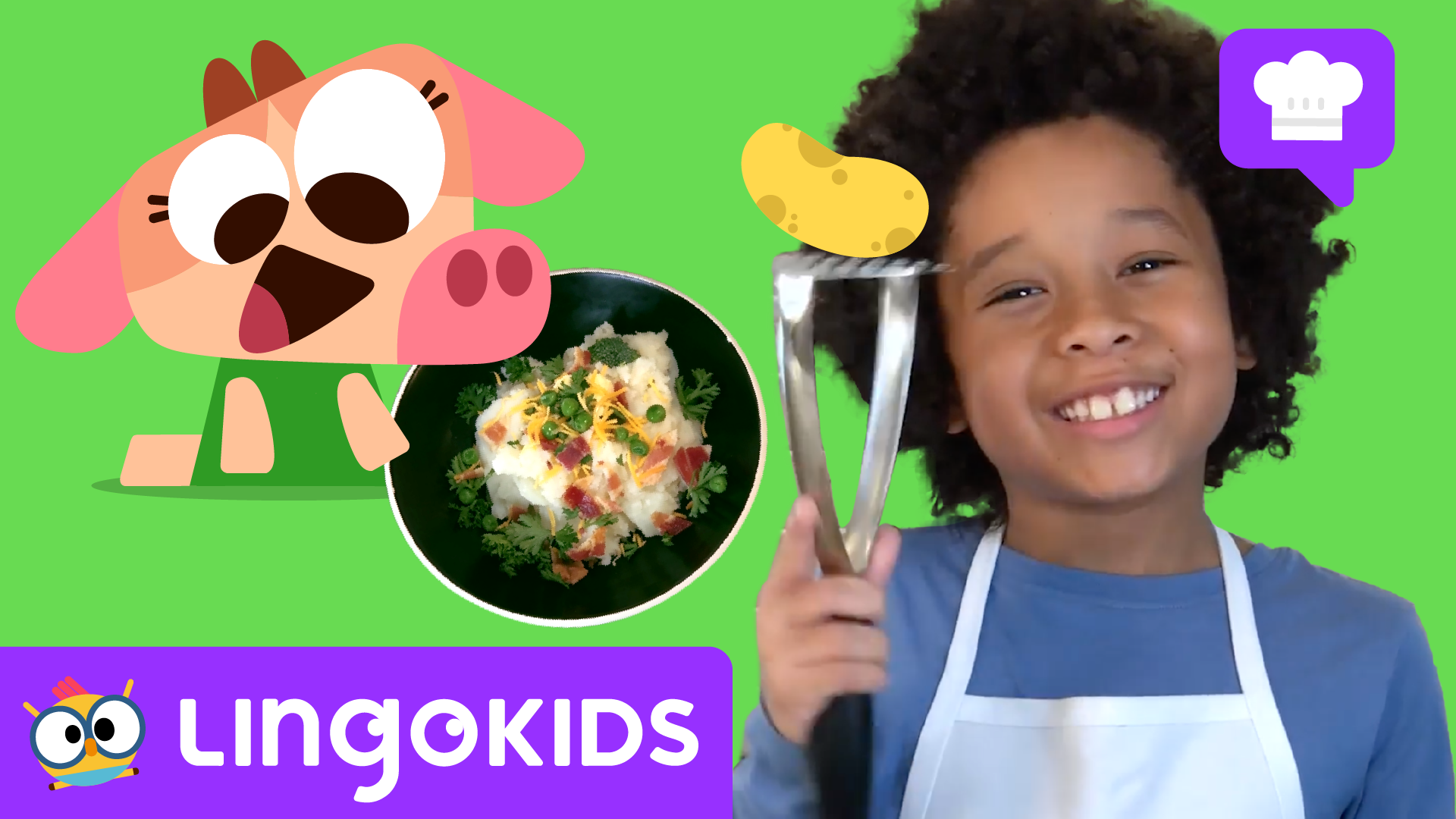
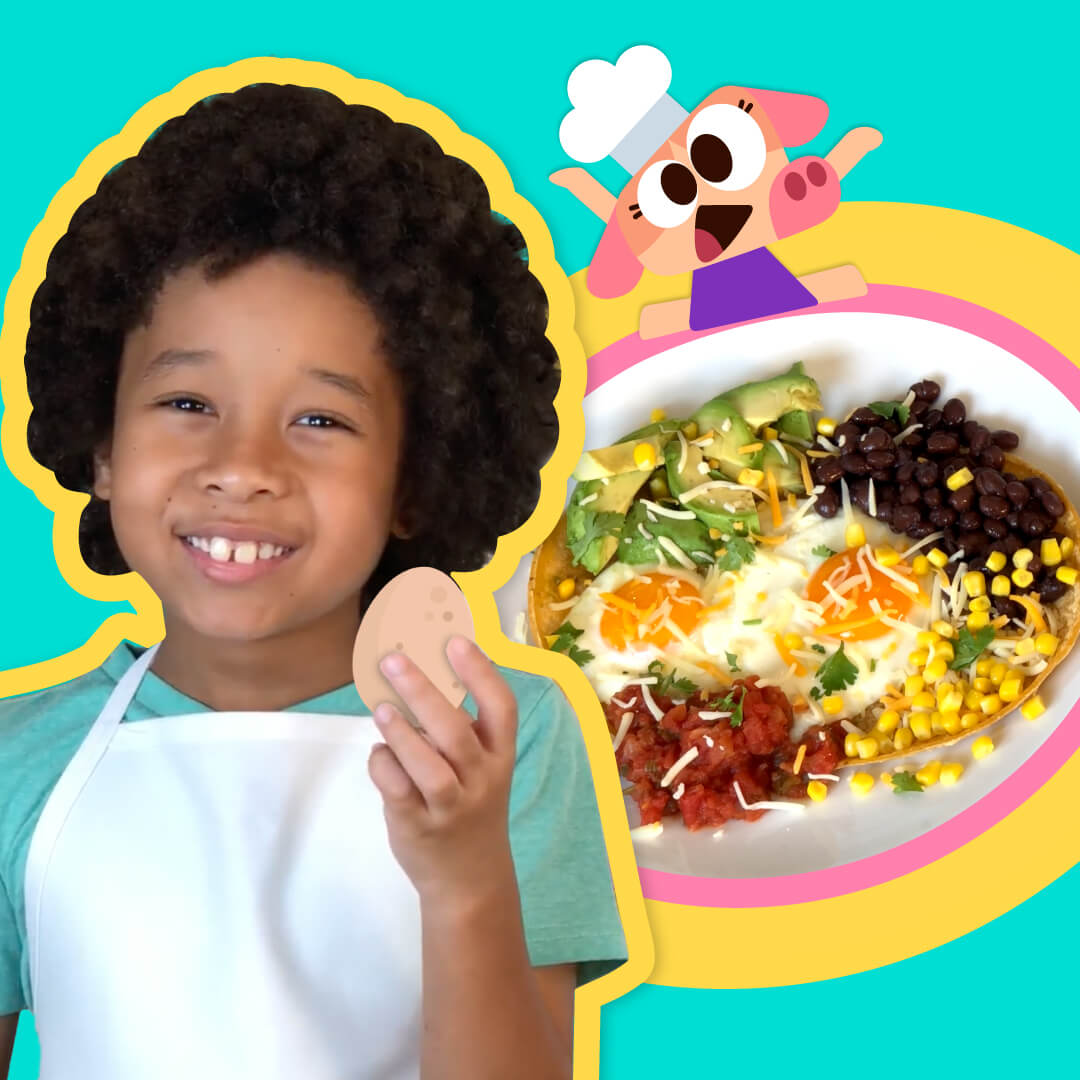
Whip up yummy creations together with cooking videos specifically designed for kids and parents.
Discover kid-friendly recipes with step-by-step instructions that allow you to create delicious (+ nutritious) meals together.

Step-by-step
cooking videos
Practice life skills with recipes that are safe (and fun!) for kids to follow.


Sing, learn, and cook together
Make memories as a family!
Dance in the kitchen to a groovy tune about different types of food around the world.
FAQ
At what age can kids start learning to cook?
Kids can begin to learn the basics of cooking as early as age 2 or 3 with simple tasks like stirring, pouring, and spreading. However, their ability to engage in more complex cooking tasks will develop gradually as they grow. By age 6 or 7, many children can handle more involved cooking activities under supervision. Always consider your child’s maturity level, motor skills, and willingness to follow instructions when determining when they are ready to start cooking.
What are the benefits of cooking with young kids?
Cooking with young kids offers numerous benefits:
- Life Skills: It teaches them essential life skills they’ll use throughout their lives.
- Math and Science: Cooking involves measuring, counting, and understanding chemical reactions, helping them learn math and science concepts.
- Nutrition Knowledge: It promotes awareness of healthy food choices and ingredients.
- Creativity: Cooking allows kids to experiment, be creative, and express themselves through food.
- Bonding: It creates quality bonding time between parents and children.
- Confidence: It boosts their self-confidence as they see the tangible results of their efforts.
Is it safe for kids to help with preparing meals?
Yes, it can be safe for kids to help with meal preparation as long as safety guidelines are followed:
Supervision: Always supervise children in the kitchen, especially when working with hot surfaces, sharp objects, or potentially dangerous ingredients.
Age-Appropriate Tasks: Assign tasks that are age-appropriate and match your child’s skill level. Younger children can help with washing, stirring, and assembly, while older children can handle more complex tasks.
Safety Rules: Teach your kids about kitchen safety, including proper handwashing, handling knives and hot items, and avoiding cross-contamination.
Use Child-Friendly Tools: Consider using child-friendly kitchen tools designed for small hands, like kid-safe knives and cutting boards.
Clear Workspaces: Keep workspaces clutter-free to prevent accidents and falls.
Slowly Introduce Skills: Gradually introduce more advanced cooking skills as your child gains experience and confidence.
What are the best recipes to make with kids?
Here are some kid-friendly recipes to get started:
Peanut Butter and Banana Sandwiches: Let them spread peanut butter and slice bananas to build their own sandwiches.
Fruit Kabobs: Have them assemble colorful fruit kabobs using wooden skewers.
Mini Pizzas: Provide toppings like cheese, veggies, and mini pizza crusts for them to create their own personal pizzas.
Scrambled Eggs: Teach them how to crack eggs and scramble them in a pan with supervision.
Pasta Salad: Kids can help boil pasta and mix it with veggies, cheese, and dressing.
Smoothies: Allow them to blend fruits, yogurt, and juice to make delicious smoothies.
No-Bake Treats: Create no-bake recipes like rice krispie treats or energy balls, which require minimal adult supervision.
Remember to choose recipes that match your child’s skill level and gradually introduce more complex dishes as they become more confident and capable in the kitchen.