Shake up pre-literacy skills
Learn grammar and practice question words with easy-to-follow choreography.
Put the boogie in bathroom routines
Sing, dance, and learn about handwashing with Lingokids!
Explore our top 10 dance songs
Ready to turn your home into a kid-friendly dance party?
Dance time for kids
Make more musical memories.
Bust a move and break a sweat!
Enjoy family time together with songs and dance videos that will have the whole crew groovin’.
Dance time meets school skills
Practice math and literacy while moving and grooving!
Skip Counting
Dance Video for Kids
Numbers Do-Si-Do
Dance Video for Kids
ABC Choreography
Dance Video for Kids
Rockin' robots
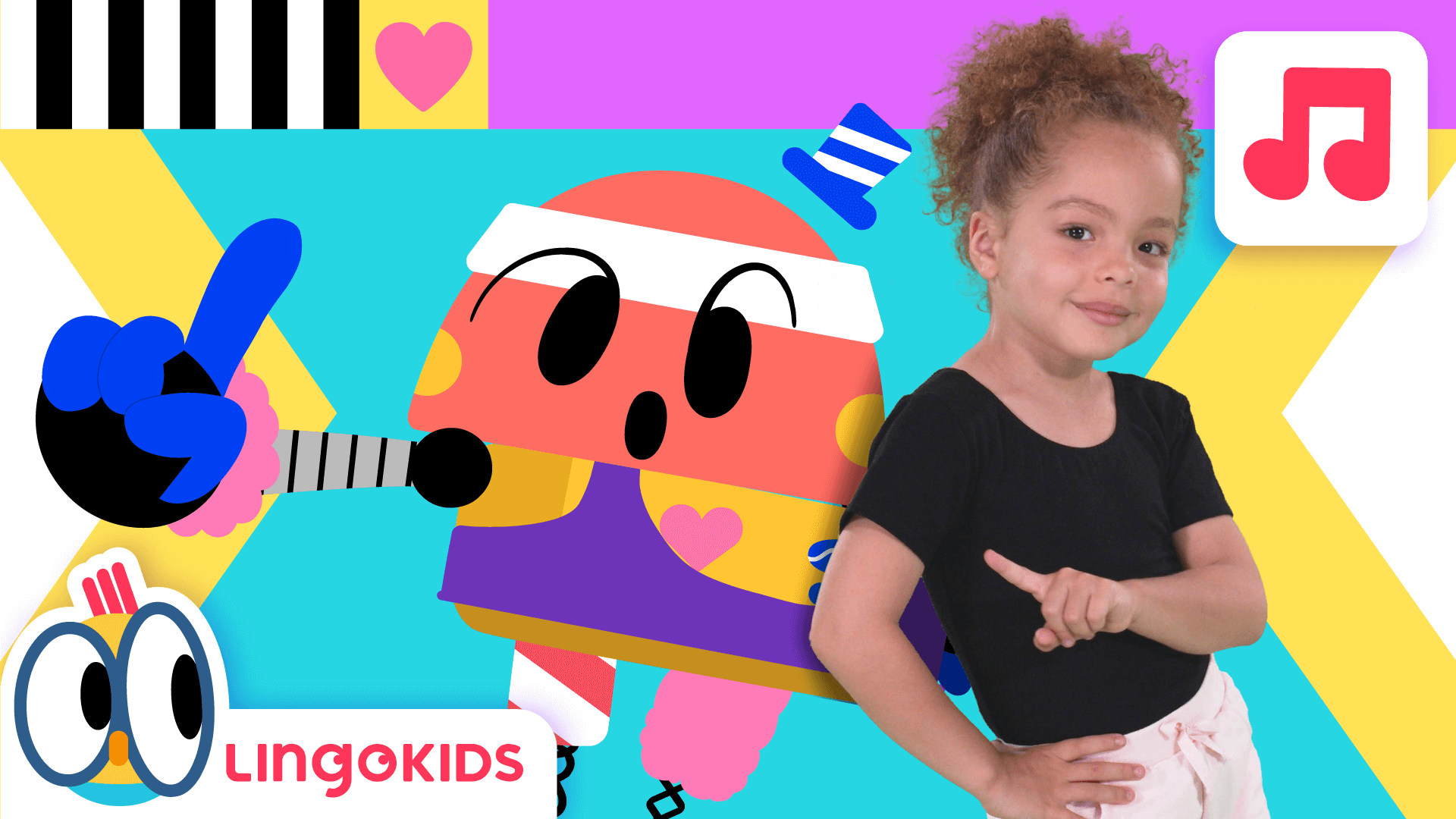
Ready to do the robot with Baby Bot? Follow along with this special choreography and show off those technological moves!
Foster life skills
Dance to the beat of nature's rhythmic tune!
All about Weather
Dance Video for Kids
Bees Buzz Choreography
Dance Video for Kids
Days of the Week
Dance Video for Kids
FAQ
What age do kids start dancing?
Children can start dancing at a very young age, typically as early as 2-3 years old. Many dance studios offer creative movement or pre-dance classes designed specifically for toddlers and preschoolers. These classes focus on developing motor skills, coordination, and a love for movement through playful and age-appropriate activities. As children grow older, they can explore various dance styles like ballet, tap, jazz, hip-hop, and more, depending on their interests.
What are the benefits of dance for kids?
Dance offers a wide range of physical, emotional, and cognitive benefits for children:
Physical Fitness: Dance helps kids develop strength, flexibility, balance, and endurance. It promotes overall physical health and can be a fun way for them to stay active.
Coordination: Dance improves motor skills and coordination, enhancing their ability to perform everyday tasks.
Confidence: As children learn dance techniques and perform in front of others, their self-confidence and self-esteem grow.
Creativity: Dance fosters creativity and self-expression, allowing kids to explore their emotions and tell stories through movement.
Social Skills: Dancing in a group setting helps kids learn cooperation, teamwork, and communication with peers.
Discipline: Dance requires practice and dedication, teaching kids discipline and time management.
Emotional Well-being: Dancing can be a powerful outlet for emotions, helping kids manage stress and anxiety while promoting a positive mood.
Why is it important for families to dance together?
Dancing together as a family can be a wonderful bonding experience with several benefits:
Quality Time: Dancing offers a unique opportunity for quality family time away from screens and distractions.
Shared Memories: Dancing creates lasting memories and traditions that children will cherish as they grow.
Physical Activity: It encourages physical activity for the whole family, promoting a healthy lifestyle.
Communication: Dancing together fosters communication, cooperation, and trust among family members.
Fun and Laughter: It’s a fun and lighthearted way to enjoy each other’s company and share laughter.
Cultural Exploration: Dancing can introduce children to various cultural dances, promoting diversity and appreciation for different traditions.
How often should kids dance?
The frequency of dance classes or practice sessions for kids can vary depending on their age, interest, and goals. Here are some general guidelines:
Preschoolers: Once a week is usually sufficient to introduce them to the joy of dance without overwhelming them.
Elementary School Age: Children can attend 1-2 classes per week to develop skills and build a strong foundation.
Intermediate and Advanced Levels: As kids become more serious about dance, they may attend 3-5 classes per week, depending on their goals.
It’s essential to strike a balance between structured dance classes and free play. Encourage your child’s interest in dance, but also allow them to explore other activities. Ultimately, the right frequency of dance classes should align with your child’s enthusiasm and commitment to the art form.