


Screen time is changing, and so are kids. For years, “screen time” meant one thing: watching videos. Whether it was cartoons, movies, or YouTube clips, kids sat back and consumed content passively.
But today, there’s a shift happening. More parents are asking: What if screen time could actually help my child learn, think, and grow?
That’s where interactive entertainment comes in and why kids are naturally drawn to it.
The Big Difference: Watching vs. Participating
Let’s break it down simply:
- Videos = Passive → Kids watch, listen, and absorb
- Interactive apps = Active → Kids tap, choose, solve, and create
That difference might seem small, but it changes everything.
When kids interact, they’re not just entertained, they’re engaged.
Why Kids Prefer Interactive Experiences
1. They Get to Be in Control
Kids love making decisions. Interactive apps let them:
- Choose what happens next
- Solve challenges
- Explore at their own pace
This sense of control keeps them hooked far longer than a video ever could.
2. Instant Feedback Feels Rewarding
In videos, nothing changes based on what your child does.
In interactive apps:
- Tap the right answer → celebration 🎉
- Make a mistake → gentle correction
- Try again → progress
This loop of action → feedback → improvement is incredibly motivating.
3. It Feels Like Play, Not Learning
The best interactive apps blur the line between fun and education.
Kids might be:
- Learning new words
- Practicing math
- Exploring emotions
…but to them, it just feels like a game.
That’s the magic of play-based learning.
4. Shorter Attention Spans, Smarter Design
Let’s be honest, kids today are used to fast-paced content.
Interactive apps meet them where they are by:
- Breaking content into small activities
- Offering constant interaction
- Keeping things dynamic
Instead of zoning out, kids stay mentally active.
5. Emotional Engagement Is Stronger
In interactive stories and games, kids don’t just watch characters; they help them.
That builds:
- Empathy
- Decision-making skills
- Emotional understanding
It’s a deeper experience than simply watching a storyline unfold.
The Problem With Too Much Passive Watching
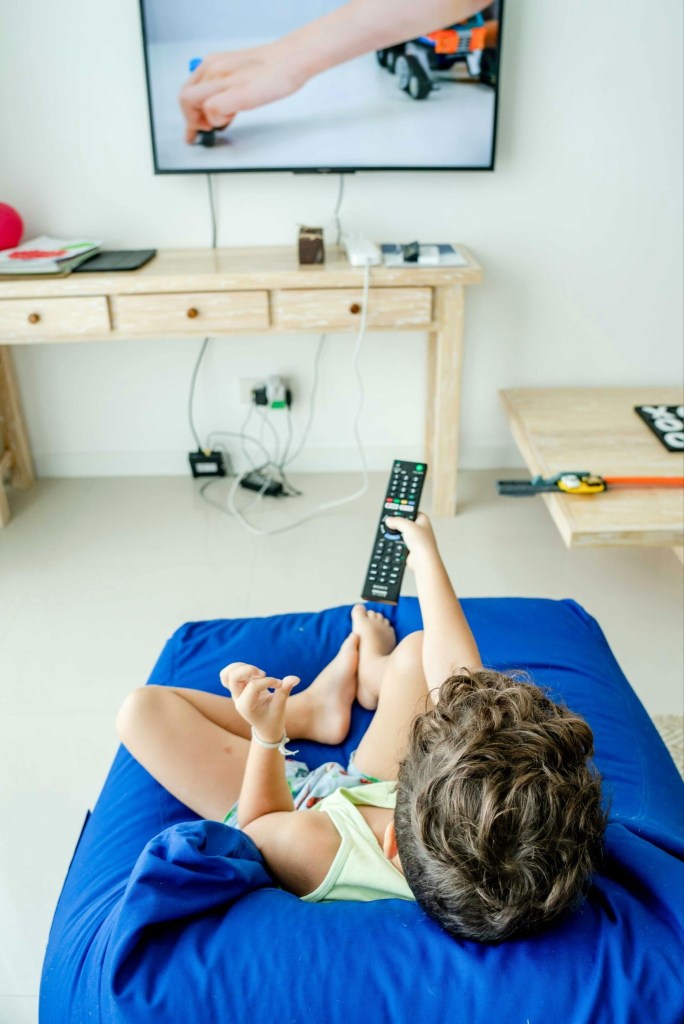
Videos aren’t “bad”, but relying on them alone has limitations:
- ❌ No participation
- ❌ Limited critical thinking
- ❌ Easy to overconsume
- ❌ Low retention of information
It’s entertainment, but not always meaningful engagement. Not all screen time is created equal, meaning that purposeful screen time means your child is:
- Thinking
- Responding
- Learning
- Creating
Instead of asking “How much screen time?”, a better question is 👉 “What kind of screen time?”
Why Interactive Apps Are the Better Choice
The best interactive platforms don’t just replace videos; they completely reinvent what entertainment looks like for kids.
Instead of sitting back and watching, children become part of the experience. They tap, explore, make choices, and see the results instantly. It’s entertainment that moves, responds, and evolves with them.
The strongest apps blend:
- 🎮 Gameplay mechanics
- 🧠 Educational value
- 💬 Real-world skills
- 📈 Progress tracking
They turn screens into tools, not just distractions.
Meet Lingokids: Where Entertainment Meets Interaction
Lingokids is a perfect example of how kids’ entertainment has evolved.
Instead of passive videos, it offers a universe of interactive games, songs, and stories where kids are constantly involved. Every tap leads to something new: a character reacts, a challenge appears, a reward is earned.
It feels like play, but it’s designed with purpose.
Kids aren’t just watching content. They’re:
- Playing along with characters
- Solving mini challenges
- Repeating words and actions
- Exploring at their own pace
That’s why it holds their attention longer and keeps them coming back!
See It in Action: Real Families Using Lingokids
These parent videos are a great example of what interactive entertainment looks like in real life. Instead of passively sitting through content, kids are actively tapping, responding, laughing, repeating, and learning as they play.
These examples help show the difference parents can actually see: when kids use interactive entertainment, they are more involved, more responsive, and often more excited to come back for more.
A Better Alternative: Learning Through Interaction
Apps like Lingokids are designed around this idea.
Instead of passively watching, kids:
- Play mini-games that build skills
- Interact with characters and stories
- Learn languages, math, and life skills
- Progress at their own pace
It’s not just entertainment, it’s active learning disguised as fun.
Kids don’t just prefer interactive entertainment; they thrive in it.
Because when children participate instead of watching, think instead of scrolling, and play with purpose, screen time becomes something far more valuable.
Final Thought for Parents
You don’t need to eliminate screens.
You just need to upgrade how they’re used.
👉 Swap passive videos for interactive experiences
👉 Choose apps that engage, not just entertain
👉 Focus on participation over consumption
Because the best kind of screen time…
…is the kind that helps your child grow.