

YouTube Kids vs Interactive Kids Apps: What Kind of Screen Time Do You Want?
If you’re comparing YouTube Kids and apps like Lingokids, you’re likely asking:
What kind of entertainment experience is best for my child?
Both platforms are built for kids.
But they create very different screen experiences.
And for many families, that difference matters more than the content itself.
Quick Comparison Overview
| Feature | YouTube Kids | Lingokids |
| Format | Video streaming | Interactive games, videos & activities |
| Autoplay | Yes | No |
| Algorithm feed | Yes | No open recommendation feed |
| Ads | Present in free version | 100% ad-free |
| Content flow | Continuous video stream | Guided, session-based activities |
| Designed for | Video discovery | Intentional kids’ entertainment |
At a glance, the core difference is this:
YouTube Kids is built around watching.
Lingokids is built around engaging.
Passive Viewing vs Interactive Entertainment
On YouTube Kids:
- Kids watch video after video
- Autoplay keeps content running
- Recommendations adjust based on viewing behavior
On Lingokids:
- Kids tap, play, explore, and interact
- Sessions feel more structured
- Content doesn’t roll endlessly
For some families, endless video discovery feels convenient.
For others, it can feel overstimulating — especially when children struggle to stop watching.
Interactive apps tend to create more natural stopping points, which can make screen time easier to manage.
The Algorithm Factor
YouTube Kids still relies on a recommendation engine.
That means:
- What your child watches influences what appears next
- Content flows continuously
- Engagement drives suggestions
Lingokids does not use an open algorithm feed. Instead:
- Content is curated
- Kids explore within a closed environment
- There’s no infinite scroll experience
An algorithm’s goal is to keep attention.
A curated platform’s goal is to shape the experience.
That structural difference changes how children move through screen time.
Ads and Distractions
YouTube Kids offers a free version supported by ads. Lingokids is fully ad-free.
For children, ads can:
- Interrupt focus
- Promote products
- Blur the line between content and marketing
Removing ads doesn’t just reduce interruptions.
It changes the rhythm and tone of the entire experience.
Content Control and Predictability
YouTube Kids pulls from a massive video ecosystem. Even with filters, the experience is broad and constantly updating.
Lingokids operates as a closed content environment:
- No public uploads
- No external video suggestions
- No unpredictable autoplay chain
For parents who prefer knowing exactly what their child can access, that difference is significant.
So… Which Is Better for Kids’ Entertainment?
It depends on what you value most.
If you want:
- Familiar video content
- Broad variety
- A YouTube-style experience
YouTube Kids delivers that.
If you prefer:
- Interactive entertainment
- No ads
- No autoplay loops
- A more intentional screen session
- Easier stopping points
An interactive kids’ app like Lingokids may feel more aligned with your goals.
The Real Question to Ask
Instead of asking: “Which app is better?”
Ask: “What kind of digital environment do I want my child spending time in?”
One is built for video streaming. One is built for structured, interactive play. Both entertain. But they entertain in very different ways. And for many parents in 2026, the design behind the entertainment matters just as much as the content itself.
So, if you’re looking for interactive, ad-free entertainment designed specifically for kids (not adapted from an adult video platform), Lingokids offers a safe and engaging alternative.
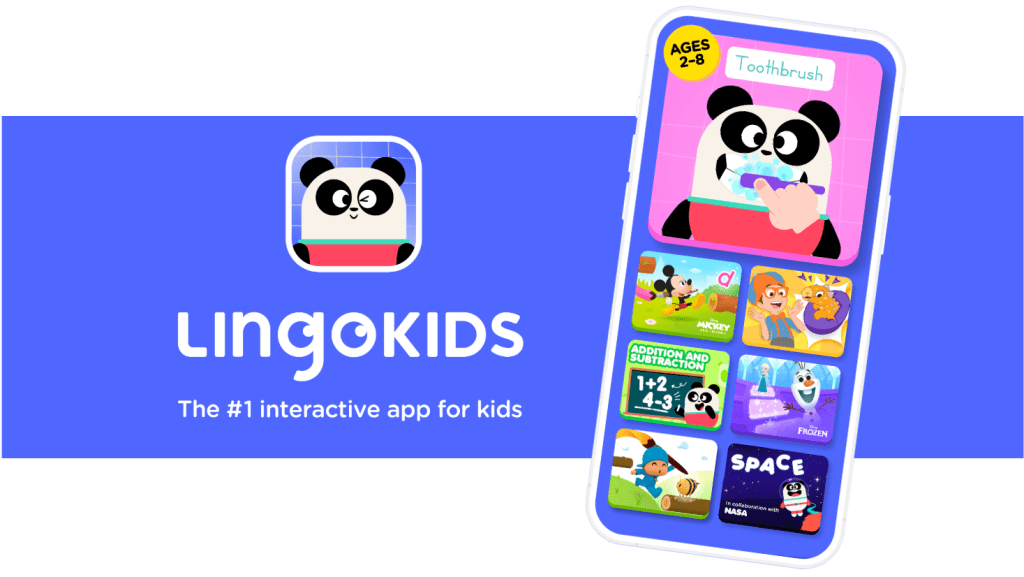
With no autoplay loops, no open algorithms, and no third-party ads, families can enjoy more intentional screen time built around curiosity, creativity, and fun.
You can download the Lingokids app today and try it free to see how a more interactive, kid-first experience feels for your family.